
Contents
- 🎵 Origins & History
- ⚙️ How It Works
- 📊 Key Facts & Numbers
- 👥 Key People & Organizations
- 🌍 Cultural Impact & Influence
- ⚡ Current State & Latest Developments
- 🤔 Controversies & Debates
- 🔮 Future Outlook & Predictions
- 💡 Practical Applications
- 📚 Related Topics & Deeper Reading
- Frequently Asked Questions
- Related Topics
Overview
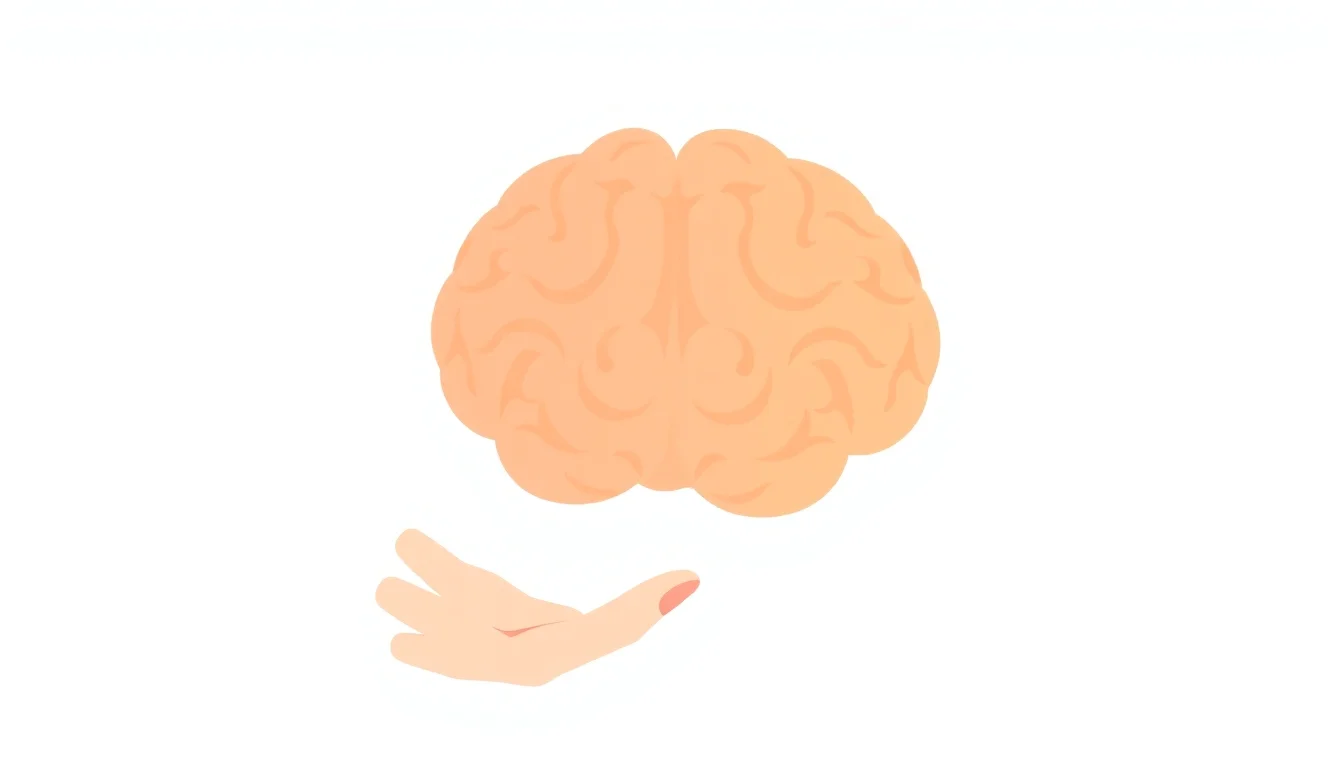
Neuroplasticity, the brain's remarkable ability to reorganize itself by forming new neural connections, plays a crucial role in how we perceive and respond to tactile sensations. This adaptability is vital for sensory integration, particularly in individuals with sensory processing disorders. Research has shown that tactile experiences can lead to significant changes in brain structure and function, influencing everything from emotional well-being to learning styles. Techniques such as tactile sensory integration therapy leverage neuroplasticity to improve sensory processing, making it a key area of interest for therapists and educators alike. Understanding the interplay between neuroplasticity and tactile sensation not only sheds light on developmental processes but also offers pathways for therapeutic interventions that enhance sensory integration and emotional health.
🎵 Origins & History
Neuroplasticity operates through various mechanisms, including synaptic plasticity and structural plasticity. Synaptic plasticity refers to the strengthening or weakening of synapses based on activity, which is crucial for learning and memory. In the context of tactile sensation, this means that repeated exposure to tactile stimuli can enhance the brain's responsiveness to touch. Structural plasticity involves the growth of new neurons and the reorganization of existing neural pathways. For example, tactile sensory integration therapy utilizes these principles by providing targeted tactile experiences that promote adaptive changes in the brain, ultimately improving sensory processing in individuals with conditions like Sensory Processing Disorder.
⚙️ How It Works
Key figures in the study of neuroplasticity include Michael Merzenich and Alicia Foley. Organizations such as the American Occupational Therapy Association have contributed to advancing knowledge in this field by promoting research and best practices in tactile therapy. Their collective efforts have helped shape the understanding of how tactile experiences can facilitate neuroplastic changes in individuals, particularly those with sensory processing disorders.
📊 Key Facts & Numbers
The cultural impact of neuroplasticity and tactile sensation is profound, influencing educational practices and therapeutic approaches worldwide. Moreover, tactile stimulation is increasingly recognized for its role in emotional well-being, with practices like massage therapy gaining popularity as a means to promote relaxation and reduce anxiety. This cultural shift underscores the importance of tactile experiences in shaping not only individual development but also broader societal attitudes towards sensory integration.
👥 Key People & Organizations
Studies are investigating how immersive environments can provide novel tactile stimuli that may improve sensory processing in individuals with autism. Additionally, the rise of teletherapy has made tactile sensory integration techniques more accessible, allowing therapists to reach clients remotely and adapt interventions to individual needs.
🌍 Cultural Impact & Influence
Controversies surrounding neuroplasticity and tactile sensation often center on the extent of the brain's adaptability and the effectiveness of various therapeutic approaches. Critics argue that while neuroplasticity is a powerful phenomenon, its limits are not fully understood, particularly in cases of severe brain injury or developmental disorders. Furthermore, debates persist regarding the best practices for tactile therapy, with some professionals advocating for more evidence-based approaches while others emphasize the importance of individualized, experiential learning. These discussions highlight the need for ongoing research and dialogue within the field.
⚡ Current State & Latest Developments
Looking ahead, the future of neuroplasticity and tactile sensation research is promising. Experts predict that advancements in neuroscience will lead to more refined interventions that harness the brain's adaptability to improve sensory processing. Additionally, as awareness of sensory processing issues continues to grow, there is potential for increased funding and support for research initiatives aimed at understanding and enhancing neuroplasticity through tactile stimulation.
🤔 Controversies & Debates
Practical applications of neuroplasticity and tactile sensation are evident in various fields, including education, therapy, and wellness. In educational settings, tactile learning strategies, such as hands-on activities and sensory-rich environments, are being implemented to support diverse learners. Furthermore, wellness practices like mindfulness-based tactile exercises are gaining traction as a means to enhance emotional well-being and promote relaxation.
🔮 Future Outlook & Predictions
Related topics that further explore the intersection of neuroplasticity and tactile sensation include sensory integration, occupational therapy, and neuroscience. Each of these areas offers valuable insights into how tactile experiences shape brain function and development, providing a rich landscape for further exploration and understanding.
Key Facts
- Year
- 2024
- Origin
- Global
- Category
- science
- Type
- concept
Frequently Asked Questions
What is the relationship between neuroplasticity and tactile sensation?
Neuroplasticity refers to the brain's ability to reorganize itself through experiences, including tactile sensations. This adaptability is crucial for sensory integration, particularly in individuals with sensory processing disorders. Research shows that tactile experiences can lead to structural changes in the brain.